
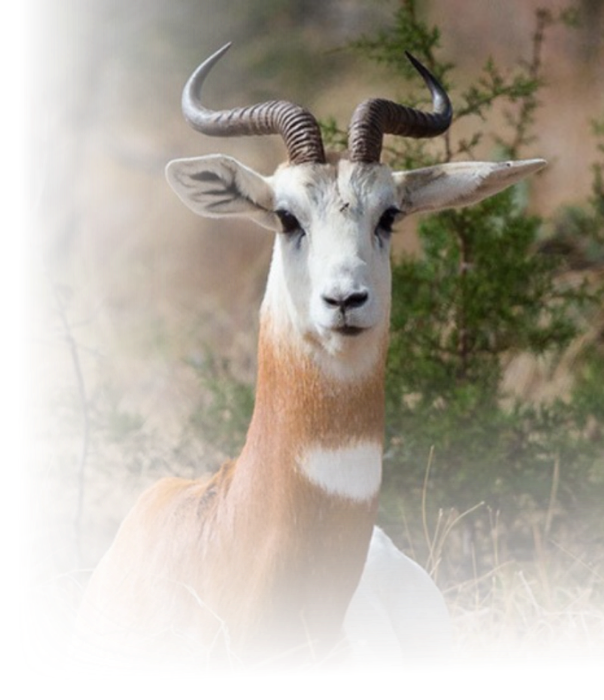
Wildlife Conservation Investments
Explore purpose- driven investments with potential tax advantages,
We help qualified investors evaluate oil and gas opportunities that may offer tax-aware planning benefits, direct participation in energy-related assets.
AN INDUSTRY WITH DEEP ROOTS
Explore Conservation Investments
Wildlife conservation ranching gives individuals a way to support the protection and growth of exotic animal populations without directly owning land or managing daily operations.
The industry began taking shape in the 1920s, when private landowners introduced non-native species to diversify land use and support species survival.
By the 1960s, surplus zoo animals helped expand a conservation-focused breeding movement across U.S. ranches. Today, the sector is estimated at $1.3 billion, with more than 5,500 exotic wildlife ranches and over 125 species, including animals listed as endangered or extinct in the wild.

Hands-Off Participation

Established Industry

Purpose-Driven Diversification
CONSERVATION THROUGH PRIVATE RANCHING
The industry in context
What began in the 1920s as a way to stabilize ranch income has grown into a powerful conservation tool.
Private U.S. ranches now help protect exotic species once found only in zoos or shrinking native habitats.
This industry now serves as a unique example of for-profit conservation, where the goals of preservation and economic return can align.

Private Ranch Conservation
Ranches provide managed environments for breeding population support

Sustainable Herd Development
Breeding programs may help preserve genetics diversity and expand viable herds

The model combines species preservation with the operating economics required to maintain the animals
Conservation and Economics
WHAT YOU NEED TO KNOW
Why investors explore wildlife conservation

Potential Tax Advantages
Certain structures may provide depreciation deductions and other tax-planning benefits, up to 90% depreciation in Year 1

Portfolio Diversification
Exposure to an asset category outside traditional stocks, bonds and real estate

Tangible Asset Ownership
Ownership interest in live, insured animals managed within established breeding operators

Legacy Oriented
Ownership interests may be transferred as part of a broader estate or legacy plan
Exotic Species Snapshot
-
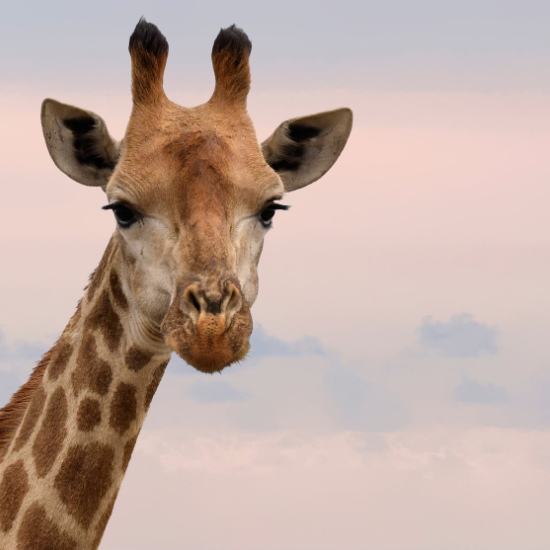
As the tallest land animal on Earth, giraffes are both majestic and meaningful. Once overlooked, their wild population has declined nearly 40% in recent decades. Carefully managed breeding programs in Texas help preserve their lineage while offering investors rare access to one of Africa’s most iconic species.
-
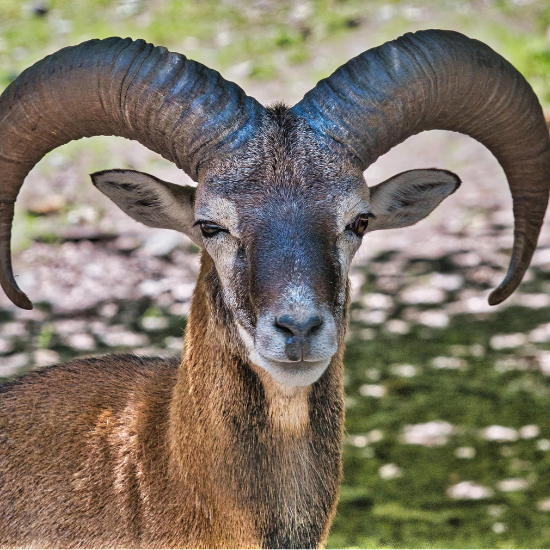
With impressive curled horns and ancient lineage, the mouflon is thought to be one of the two ancestors of all modern domestic sheep breeds. Breeding programs protect this rare heritage species and help preserve its genetic integrity.
-
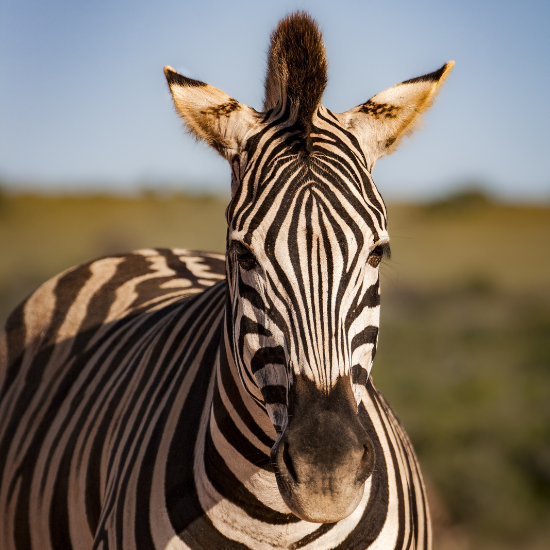
Known for resilience and disease resistance, Grant’s zebras are well suited to managed ranching. Often undervalued due to their numbers, they’ve vanished from parts of their native range. Their adaptability makes them a valuable long-term asset in U.S. conservation herds.
-
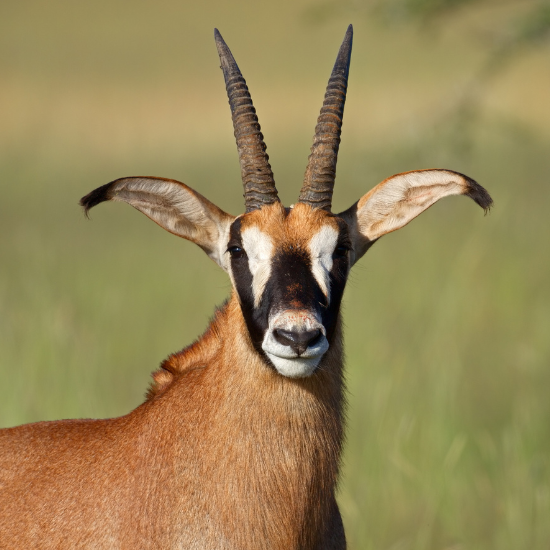
One of the largest and most striking antelope species, roan are high-demand, mid-size game with powerful market value. Breeding these animals contributes to population growth and supports herd diversification.
-
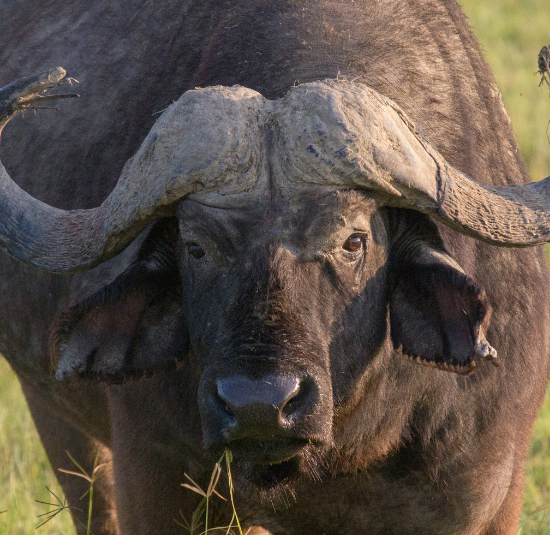
Fierce, formidable, and rare in U.S. herds, Cape buffalo are highly prized for their strength and stature. Fewer than 15 Texas ranches house them, making ownership a true mark of distinction. Their presence also supports the long-term preservation of Africa’s ‘Big Five’ species.
LET'S DISCUSS YOUR STRATEGY
Interested in Wildlife Conservation Opportunities?
Schedule a complimentary 30 min consultation with our team. Get expert guidance tailored to your goals.
Nationwide Guidance

Educational Conversation First
Available by Zoom or Phone
This material is for educational and informational purposes only and does not constitute an offer or recommendation to buy or sell any securities or investment products. Offers can only be made through the confidential Private Placement Memorandum ("PPM"), which is available upon request and qualified in its entirety by the PPM. All offerings are subject to availability. Please read the full Private Placement Memorandum for a complete discussion of the business plan and risk factors of each offering prior to investing. Please speak with your CPA, attorney or financial professional for advice and guidance regarding your specific situation before investing.
Some investments such as Alternative investments and DSTs involve significant risks and may be illiquid, speculative, and suitable only for accredited investors.*
*Accredited investors are defined under SEC Rule 506 of Regulation D. Generally, an investor is deemed accredited if their net worth is greater than $1,000,000 exclusive of their primary residence and/or their annual income exceeds $200,000 for the current and past two years.
Click here to learn more.